ចង់ប្តូរការងារ ឬ កំពុងស្វែងរកការងារ ផ្វើសារឥឡូវនេះ
Dussehra has traditionally been associated with new beginnings, and for many Indian households, the festive period is also an important time to make major purchases. Cars and two-wheelers are among the products that often see increased attention during the festive season, as manufacturers and dealerships prepare for higher consumer interest.
In 2026, the trend is taking place against a changing automotive landscape. Passenger vehicles, two-wheelers and alternative powertrains are all influencing how consumers approach their next vehicle purchase.
Dussehra falls on October 20, 2026, with the wider Navratri festive period running into the weeks before it.
The Indian automobile market has entered the festive period with considerable momentum. According to the Society of Indian Automobile Manufacturers (SIAM), passenger-vehicle sales reached 4,39,309 units in August 2026, while two-wheeler sales crossed 20 lakh units. Both categories recorded their highest-ever August sales in the data reported by SIAM. (Siam)
Manufacturers and dealers are also preparing for the seasonal increase in demand. Passenger-vehicle dispatches to dealerships increased significantly in August as companies built inventory ahead of the festive period. (The Times of India)
For buyers, however, the festive season is no longer simply about finding a discount.
The Indian auto market has expanded beyond the traditional petrol and diesel choices. Electric vehicles, hybrids and other alternative powertrains are becoming part of the conversation for consumers evaluating their next car.
SIAM has pointed to the accelerating adoption of alternative drivetrains as one of the factors shaping the current automotive environment. (Siam)
This means buyers are increasingly comparing vehicles based on more than their purchase price. Running costs, charging availability, fuel efficiency, insurance, maintenance and long-term ownership requirements can all influence the decision.
For an EV buyer, for example, access to convenient charging infrastructure can be just as relevant as the vehicle's range. For a conventional vehicle, fuel costs and maintenance may receive greater attention.
One of the changes in vehicle ownership is the amount of information that is now available digitally.
Once a vehicle is purchased, owners have to keep track of registration information, insurance, PUC validity, FASTag and traffic-related records. These requirements can easily become scattered across different documents and online services.
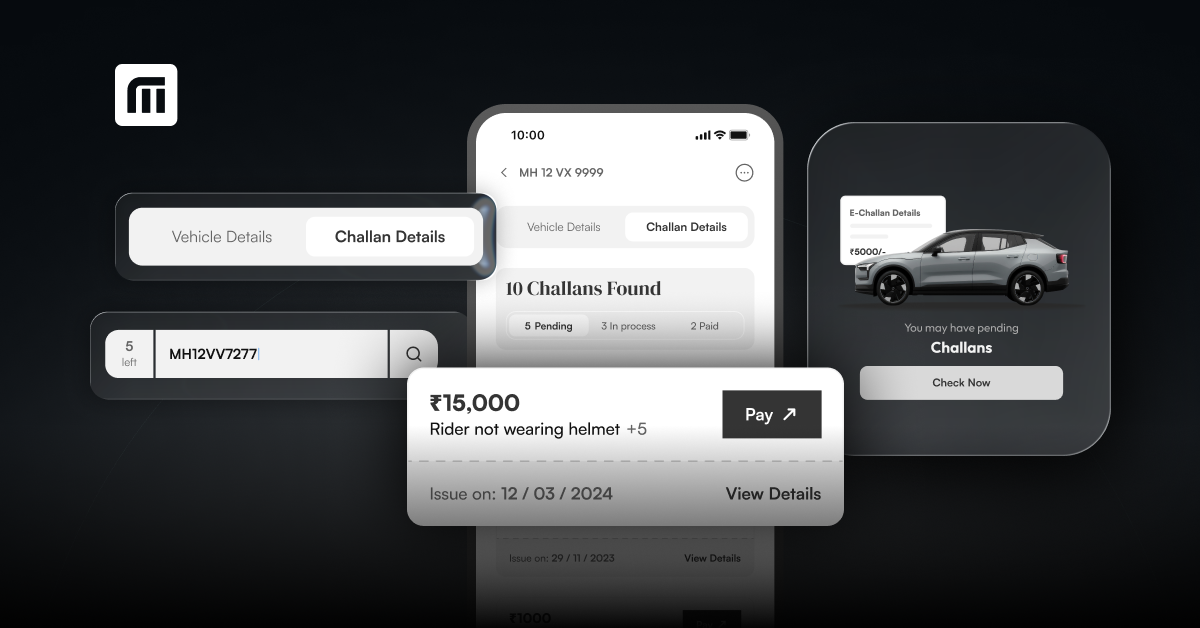
This is particularly relevant when buying a used car or bike. Before completing a transaction, buyers may want to verify the vehicle's basic details, insurance status and other available records. A challan check app can also help identify whether there are outstanding traffic-related fines associated with the vehicle.
For people searching online, terms such as challan check, RC details and vehicle information have consequently become part of the wider digital vehicle-ownership journey.
Festive buying isn't limited to new vehicles. Some consumers use the season to purchase pre-owned cars and bikes, particularly when they are looking for a particular model within a fixed budget.
A used vehicle can require more checks before purchase. Buyers should examine the registration details, ownership information, insurance, PUC, service records and the vehicle's physical condition.
Checking available records before making a payment can help buyers make a more informed decision rather than relying entirely on the seller's description.
The same principle applies after purchase. Keeping track of insurance renewals, PUC validity, FASTag and challan status can make routine vehicle ownership easier.
The growing availability of digital vehicle services is another noticeable change.
Instead of treating vehicle documents and information as something that only needs attention during a renewal or a sale, owners can now monitor several aspects of their vehicle digitally.
Platforms such as MyMotor are part of this broader shift. MyMotor brings together services such as vehicle and RC information, challan check, insurance and PUC-related information, FASTag and other vehicle-management features in one place.
The value of such platforms is less about replacing every official source and more about making routine vehicle-related tasks easier to access and keep track of.
Whether someone is purchasing a new vehicle or a used one, a simple checklist can prevent important details from being overlooked.
Before purchasing:
Compare the total ownership cost, not just the showroom price.
Check the vehicle's registration and basic details.
Verify insurance and PUC requirements.
For a used vehicle, examine its available history and documentation.
Consider fuel, charging and maintenance requirements.
Check applicable traffic records and complete a challan check where relevant.
After purchasing:
Keep registration and insurance information accessible.
Track PUC validity and renewal dates.
Ensure FASTag remains active.
Keep important vehicle documents organised.
Monitor any pending challans or traffic-related notifications.
Dussehra 2026 comes at a time when India's automobile market is changing on several fronts. Strong festive demand, increasing choices in powertrains and the growing availability of digital services are changing not only how people buy vehicles, but also how they manage them afterwards. SIAM expects festive demand to provide additional support to the industry's current momentum, although reports also point to inventory and supply constraints at some dealerships. (Siam)
For buyers, the festive season can therefore be about more than getting a new car or bike. It can also be an opportunity to think about the ownership experience that follows — from keeping documents organised to staying aware of insurance, PUC, FASTag and challan status.
As vehicle ownership becomes increasingly digital, having the right information available at the right time could become just as important as choosing the vehicle itself.
អត្ថបទថ្មីៗទាក់ទងបទពិសោធន៍ផ្សេងៗ
ដោយ : ketki@zoop.energy 13 days ago
ម៉ាស៊ីនបោះពុម្ព Print អត់ចេញក្រដាស - Can’t print: Troubleshooting steps
ដោយ : Pich Yorn 5 months ago
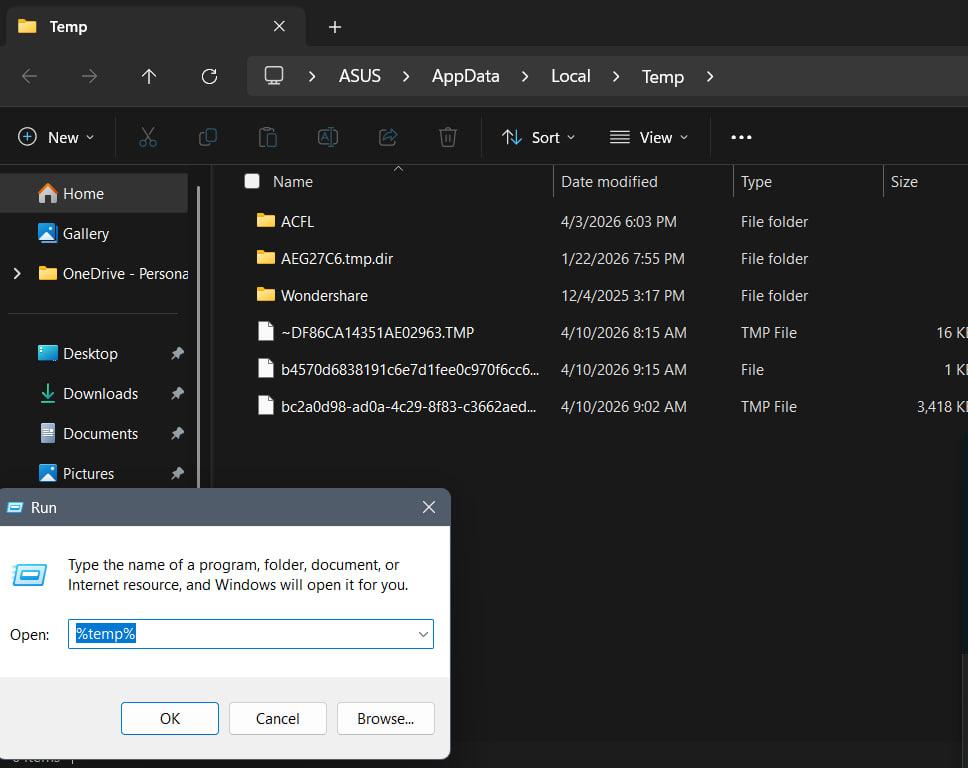
របៀបសំអាត file មិនសំខាន់ៗនៅក្នុង computer - Clean computer temp
ដោយ : Pich Yorn 6 months ago